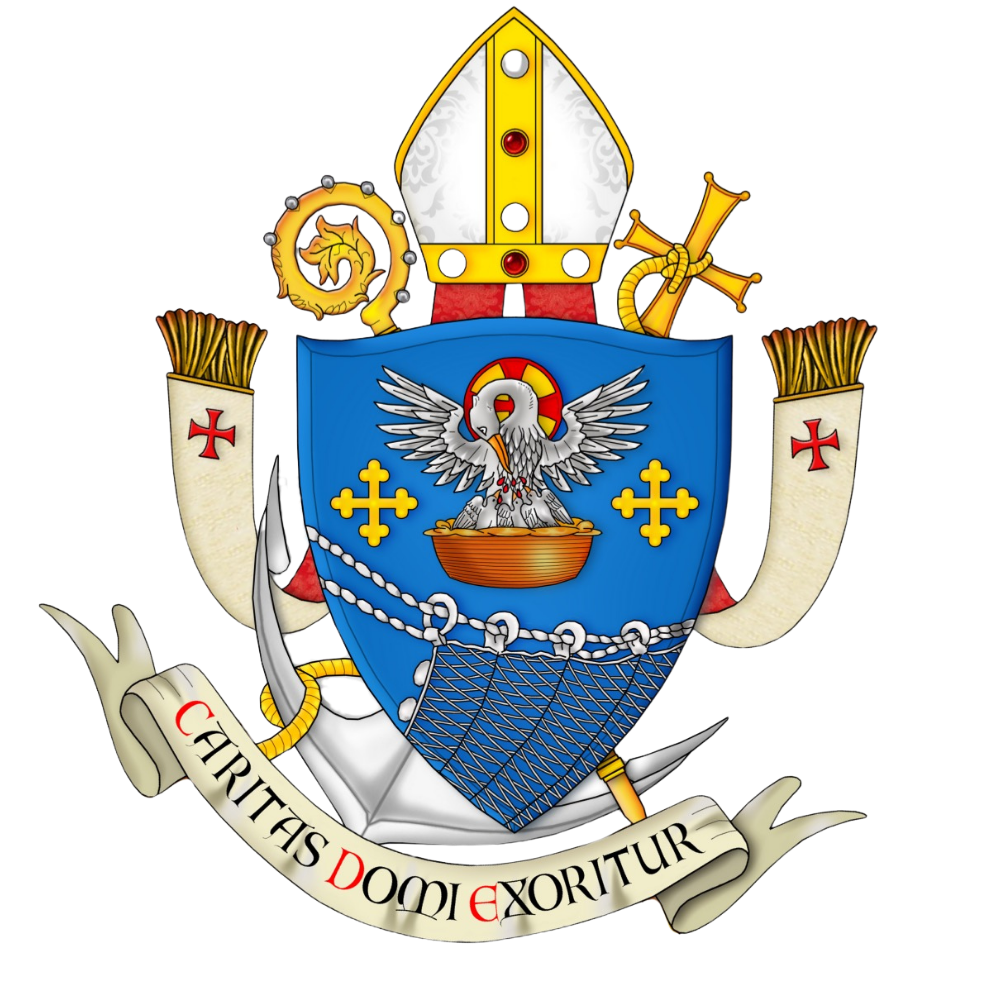
A Response to the Kigali Commitment
Addressed to Anglican Diocese of the Emmaus Way
I was reading the Anglican Compass today, and the headline read: *The Kigali Commitment: A New Era in Anglican History.* The Anglican Communion has finally split. The reasoning: "the authority of Scripture." I challenge this, however. If this were truly about the authority of Scripture, the Communion would have split decades ago over the many quotes of John Shelby Spong, or any number of extremely unorthodox views on Jesus and the Resurrection that we have heard from bishops in the Episcopal Church and throughout the Anglican Communion. But this is not about the authority of Scripture. This is about one issue: homosexuality.
GAFCON is, and has always been, fixated on homosexuality. It has been their rallying cry since its founding, and it has been a major issue in the Church for decades because of this. The issue of homosexuality is an issue that many of us have grappled with for years, and many of us have grown to realize that this is no issue at all. As a matter of fact, I have the pleasure of being part of a diocese in the Anglican Free Communion International (AFCI). What is unique about the AFCI? First, we split from Canterbury over one hundred years ago. Just last year we celebrated our 125th anniversary as a global communion. But what is even more impressive than our long history is the fact that we are orthodox Anglicans who are open and affirming. How is this possible? Simple — we focus our efforts on evangelism rather than hot-button non-issues, and because we believe Scripture teaches it, and we believe in the authority of Scripture.
Being orthodox and affirming means that we apply a high biblical standard and ethics to human sexuality and relationships. In fact, our governing documents are very clear on what it means to have a biblical relationship. A biblical relationship is one that is between two consenting adults, keeping physical intimacy within the context of marriage. It also means recognizing that our LGBTQ+ sisters and brothers are children of God, and, upon their baptism in the church, are full members of the church.
I spent most of my formation in the Episcopal Church and then the ACNA, and I came to realize that they are different sides of the same coin. Each has their banners that they wave, and each has their hot-button issues that they rally around until the next hot-button issue comes around. I left both of those organizations because I don't want to be part of a religious political action committee. I want to do the work of the Church: celebrating the sacraments and spreading the good news of Jesus, and that's what we do in the Anglican Free Communion International and in my Diocese, the Anglican Diocese of the Emmaus Way.
If you are like me, or my sister and brother priests, and know that there is so much more that we can be doing to spread the Gospel message when we lay down our political banners, I invite you to come alongside us. Walk with us on this road to Emmaus and rediscover God's transformative grace and see what Christ's love is truly about.
The Very Reverend Brent E. Whetstone Bishop Elect The Anglican Diocese of the Emmaus Way